Physician referral marketing for orthopedic and PT practices
Referring doctors send patients to the practices that are easy to work with and easy to remember. Here is a simple plan to become one of them.

Muhammad Paras KhanFounder, TrueMark. Updated November 28, 2026. 9 minute read.
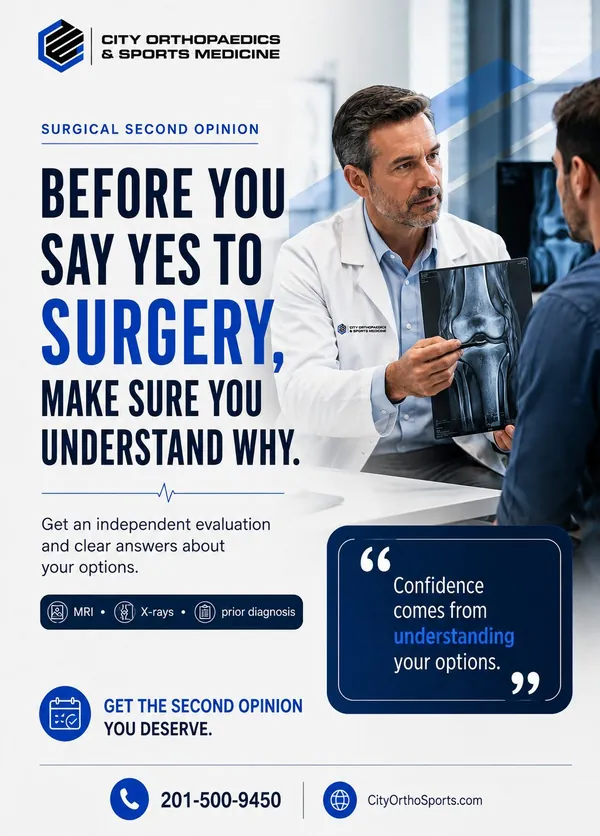
For many orthopedic and physical therapy practices, a large share of new patients arrive through another provider: a primary care doctor, a chiropractor, an athletic trainer, or a surgeon who sends patients for rehab. Physician referral marketing is the work of earning and keeping those relationships.
It is not about gifts or lunches. It is about being the practice that is easiest to refer to, and the one referring doctors think of first.
Why referral marketing matters
A referred patient arrives with trust already in place, because someone they know recommended you. Referral relationships also tend to last. A primary care office that has a good experience with your practice will keep sending patients for years. That makes referral marketing one of the most reliable growth channels a specialty practice has.
Who refers to you
Start by listing every type of provider who could send you patients. For most orthopedic and PT practices, that includes:
- Primary care and family medicine practices
- Urgent care centers
- Chiropractors and massage therapists
- Athletic trainers, school sports programs, and local gyms
- Orthopedic surgeons, for physical therapy clinics
- Physical therapists, for orthopedic practices that need surgical referrals
- Podiatrists and pain management practices
Then look at your own records. Which offices already refer to you? Which nearby practices send you nothing? Those two lists are your starting point.
What referring doctors need
Referring providers care about their patients. They refer to practices that make them look good. In practice, that means:
- Fast scheduling. Patients should get an appointment quickly, and the referring office should know how.
- Clear criteria. Make it obvious which conditions and procedures you treat, and when to refer.
- Updates back. Send a short note after the first visit and after major milestones, like surgery or discharge from therapy.
- A good patient experience. If their patient has a bad visit, the referrals stop. Friendly staff and clear communication matter.
- One point of contact. A named person the referring office can call or message.
Build a referral kit
A referral kit gives referring offices everything they need in one place. Keep it short and professional:
| Item | What it does |
|---|---|
| One-page practice overview | Your specialties, doctors, locations, hours, and insurance basics |
| When to refer guide | The conditions and symptoms you treat, in plain language |
| Referral form or online link | A simple way to send a patient, with the information you need |
| Patient handouts | What to expect at the first visit, so patients arrive prepared |
| Contact card | Your referral coordinator's name, phone, and email |
Design matters here. A clean, branded kit tells a referring doctor that your practice is organized and professional. It is the same principle as your social media: patients and providers judge you by what they see first.
Stay visible between referrals
Referral relationships fade when you go quiet. A few simple habits keep you top of mind:
- Share helpful content. Recovery timelines, injury guides, and when-to-refer posts on LinkedIn and Facebook reach referring providers too.
- Send a short quarterly update. New doctors, new services, new locations, or extended hours.
- Thank referring offices. A simple thank-you note after a referral goes a long way.
- Visit in person. A short visit with your referral kit is still one of the best ways to start a relationship.
- Keep your Google profile and social pages active. Referring staff often check your page before they send a patient.
A 90-day plan
| Weeks | Focus |
|---|---|
| 1 to 2 | List current and potential referrers. Name a referral coordinator. |
| 3 to 4 | Create your referral kit and a simple online referral form. |
| 5 to 8 | Visit or call your top 10 to 15 offices. Leave the kit and a contact card. |
| 9 to 10 | Start sending updates back to referring offices after first visits. |
| 11 to 12 | Review which offices referred, thank them, and plan the next round. |
We design referral kits, handouts, and the social content that keeps referring doctors engaged. See our referral systems page, or read how to build a patient referral system.
Common questions
What is physician referral marketing?
It is the work of building relationships with other providers, like primary care doctors, chiropractors, and athletic trainers, so they send patients to your practice. It includes referral materials, regular updates, and staying visible between referrals.
How do orthopedic practices get more referrals?
Make referring easy: fast scheduling, clear criteria for when to refer, a named referral coordinator, and updates back to the referring doctor after the first visit. A short, well-designed referral kit helps start new relationships.
Does social media help with physician referrals?
Yes. Referring providers and their staff often check your pages before sending a patient. Helpful, professional content like recovery timelines and injury guides builds confidence and keeps your practice top of mind.
How often should we contact referring offices?
Send updates after referred patients' first visits and major milestones, and a short practice update about once a quarter. Thank-you notes after referrals are always welcome.
Can you design our referral kit?
Yes. We design referral kits, patient handouts, and practice overviews in your brand, as part of our Creative Growth Partner plan or as a one-time project.